
The crisis in soaring drug prices has produced not merely a new class of public enemies to skewer — step forward, Martin Shkreli! — but the best evidence yet that the nation’s healthcare regulatory priorities are out of whack.
The crisis in soaring drug prices has produced not merely a new class of public enemies to skewer — step forward, Martin Shkreli! — but the best evidence yet that the nation’s healthcare regulatory priorities are out of whack.
AT&T next month will open a center focused on digital health innovations within the Texas Medical Center’s state-of-the-art Innovation Institute, the communications giant announced on Tuesday.
Tuesday, January 12, 2016 2:00 pm
When developing a new drug or technology, innovators are generally focused on achieving regulatory approval. But often they don’t spend enough time considering how the product will be paid for once it is approved. This NHLBI Small Biz Hangout will focus on basic components of reimbursement that every innovator needs to understand—coverage, coding, and payment. Attendees will hear guidance on how to implement an effective reimbursement strategy while their product is still in development.

What is technology transfer / business development and what are the career opportunities in the field? What are the skills required and how does one acquire them? How can an scientist start a non-traditional career such as this? These are the questions to be answered in this presentation from two former bench scientists from the National Cancer Institute.
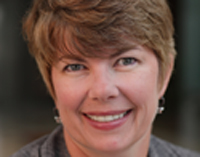
Barbara Crews, assistant executive director for community relations at the Johns Hopkins University Montgomery County Campus, has been appointed to an executive committee position with the Gaithersburg-Germantown Chamber of Commerce board of directors.
Crews will serve a yearlong term as vice chair for member recruitment and retention. In this role, she will help the chamber recruit new members and retain existing ones. She will help existing members get the most out of their memberships by engaging them in chamber activities.

Facebook has been making tentative steps in the health tech realm. I’m not referring to Mark Zuckerberg’s philanthropic ambitions. But the social media network has demonstrated an interest in some diverse areas from genomic testing to public health. There’s even more going on with its Internet.org division but the company has been pretty tight-lipped about new developments on this front with most information on healthcare projects coming from entrepreneurs rather than the technology company. Here are a few areas that could grow in 2016.
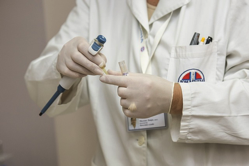
Medical technology is slated to be a $40 billion market in India by 2025. But it’s largely ignored, says Siraj Dhanani, founder of InnAccel, India’s first medical technology incubator.
“It’s a market that’s suboptimally served, and there are global models for med-tech innovation that can be successfully implemented in India,” he says, seated in his Bangalore office.
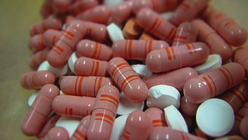
The 2015 return of 12.3% for the NASDAQ Biotechnology Index ETF makes the biotech sector one of the market’s best-performing baskets this year, and the returns of the five best biotech stocks in the space were downright mind-boggling. All five of these biotech companies boast billion-dollar market caps, and each has seen its shares post eye-popping returns of nearly 200% or more this year. Let’s find out why.
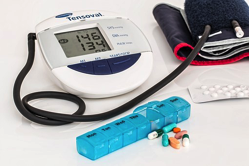
Here are three things we can agree on. Some predictions are good. Some predictions are bad. Most predictions are wrong.
Stephanie Baum, Meghana Keshavan and I spent the last fews days spouting off on the kind of deals we think should happen in healthcare in 2016. Afterward, we polled the full MedCity News reporting staff and incorporated feedback from social media to rank these healthcare M&A predictions from completely loony tunes and to actually having some merit.

As the year draws to a close, I want to reflect on FDA’s many accomplishments in these previous 12 months, the last nine of which it has been my pleasure to serve as Acting Commissioner. FDA has broad responsibilities – indeed, we are tasked with overseeing products that account for about 20 cents of the consumer dollar — so we work on a wide range of topics in any given year. In this and two additional blog posts over the coming days I’ll cover some of our key accomplishments in 2015. Each blog will examine a different area of FDA’s work. This first post will focus on medical product innovation – our role in making safe, effective and innovative products available to patients who need them.