
US ANNUAL FUNDING TOPS $70B FOR SECOND TIME
2017 was the second year that saw dollar funding top $70B, but deals declined for the third straight year, falling 4% from 2016 and reaching the lowest annual total since 2012.
US ANNUAL FUNDING TOPS $70B FOR SECOND TIME
2017 was the second year that saw dollar funding top $70B, but deals declined for the third straight year, falling 4% from 2016 and reaching the lowest annual total since 2012.
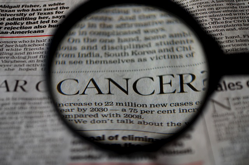
2018 is already seeing big deals in the cancer therapy space with Celgene’s recent buyout of Impact Biomedicines, which develops a key drug for treating complex cancers.
Other big pharma names like Pfizer, Novartis, and GlaxoSmithKline have also been active in the last 5 years with key investments to cancer startups as they make bets to avoid missing out on strengthening their cancer drug pipelines.

To state the obvious: Drugs are increasingly complex and so are their patent lives.
More than 110 companies have graduated since bwtech@UMBC began offering incubation services in 1989.
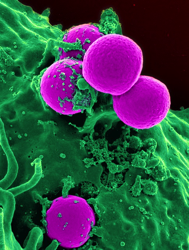
Cell therapy is the delivery of living cells to treat, or potentially cure, a person’s disease. The transplantation of hematopoietic stem cells from a donor to a recipient to create bone marrow, for instance, is one well-established form of cell therapy.

Trajectory Next will provide formalized support and guidance to companies to help them execute a pilot, establish traction, and improve their ability to attract and attain customers.

TAI Diagnostics said earlier this week that it had closed a $10 million round of funding and forged a new partnership with United Therapeutics (NASDAQ: UTHR).

GlaxoSmithKline CEO Emma Walmsley made history in 2017, when she became the first woman to head up a major pharmaceutical company.
Once heralded as a centerpiece of DC’s tech scene, start-up incubator 1776 proved less revolutionary than its name.
AstraZeneca and MedImmune, its biologics research and development arm, announced that the European Commission (EC) has approved the companies’ respiratory biologic, benralizumab, as an add-on maintenance treatment for adults with severe eosinophilic asthma that is inadequately controlled despite high-dose inhaled corticosteroids, plus long-acting b-agonists.