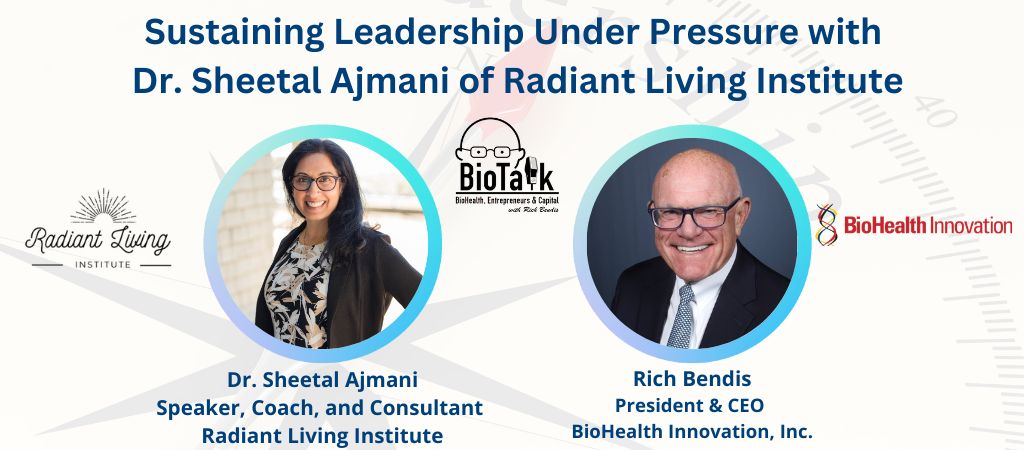
 Dr. Sheetal Ajmani joins BioTalk to discuss a topic rarely addressed in the life sciences startup world. The personal and leadership toll that accompanies building and scaling a company. A physician turned executive coach and founder of Radiant Living Institute, Dr. Ajmani works closely with founders and senior leaders navigating intense professional pressure while trying to maintain clarity in decision making.
In this conversation, she explains how exhaustion and sustained stress can quietly affect leadership judgment during critical moments such as fundraising, board interactions, regulatory setbacks, and periods of rapid growth. The discussion explores the signals that investors and advisors may overlook when a founder is struggling behind the scenes, and how the culture of “pushing through” can begin to create risk not only for individuals but for the companies they lead. Dr. Ajmani also shares practical ways founders can stabilize their leadership presence and maintain momentum while protecting their own well-being.
Listen now on your favorite platform:
Apple: https://apple.co/4swmqJR
Spotify: https://bit.ly/47vWndC
YouTube Podcasts (audio): https://bit.ly/46OmeNO
Amazon Music Podcasts: https://amzn.to/4cwQbFN
iHeartRadio Podcasts: https://ihr.fm/3PqJfAg
TuneIn: https://bit.ly/4lioh2r
Editing and post-production work for this episode was provided by The Podcast Consultant (https://thepodcastconsultant.com).
Dr. Sheetal Ajmani is a physician, keynote speaker, and executive coach who helps leaders and founders reclaim their well-being and lead with authenticity. After nearly two decades in clinical medicine, she founded Radiant Living Institute, where she integrates science, psychology, and the mind-body connection to help individuals make meaningful and sustainable changes in their lives and leadership. Dr. Ajmani is also the host of the Essential Self-Care podcast and co-author of the Amazon bestselling book Doctoring, Better. For more information, visit https://www.radiantlivinginstitute.com/.
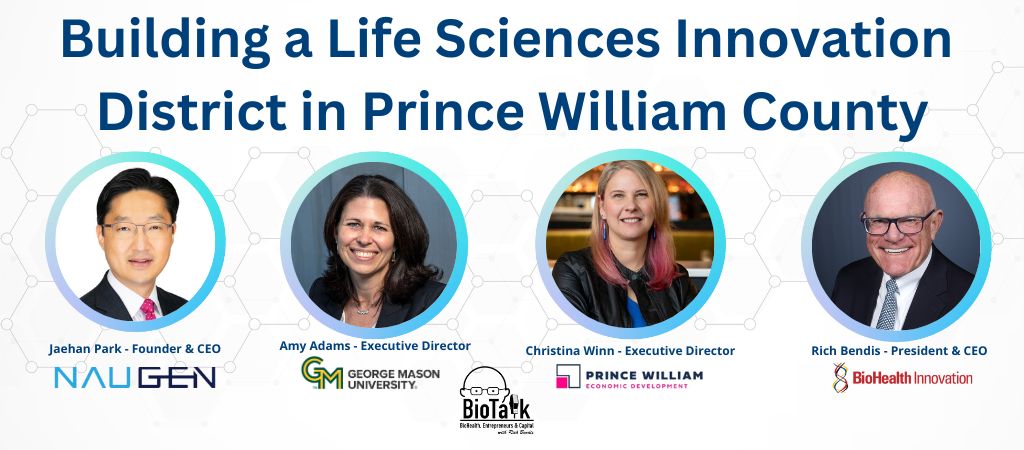
 This episode of the BioTalk with Rich Bendis Podcast brings together leaders from industry, academia, and economic development to unpack the vision behind a new life sciences Innovation District anchored in Prince William County. With introductions to NAUGEN, George Mason University’s Institute for Biohealth Innovation, and the Prince William County Department of Economic Development, setting the stage for how each organization contributes to the district’s foundation. The guests discuss the life science assets, research strengths, and translational capabilities that define the district and explain why it is well-positioned to support biotechnology and advanced R&D companies.
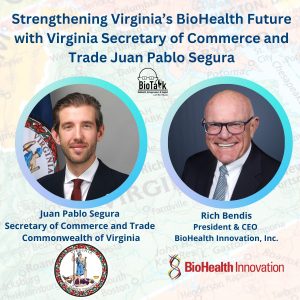 Secretary Juan Pablo Segura joins BioTalk for a conversation about Virginia’s growing position in the biohealth economy and the statewide strategy behind it. He outlines the significance of the new partnership with AstraZeneca, Lilly, and Merck, including up to $120 million in private investment to create a workforce development center and expand the Commonwealth’s life sciences capacity. Segura talks through how Virginia approaches company recruitment, what investors are responding to, and why the state is seeing increased interest from biomanufacturing and advanced R&D companies. He also discusses Virginia’s use of public-private partnerships to accelerate industry growth, strengthen the talent pipeline, and support emerging hubs across the Commonwealth. The conversation closes with a look at Virginia’s role in the BioHealth Capital Region and how the regional identity helps amplify the state’s message as it continues building a competitive biohealth ecosystem.
 Getting a biotech company off the ground takes more than science; it takes strategy, funding, and the right network.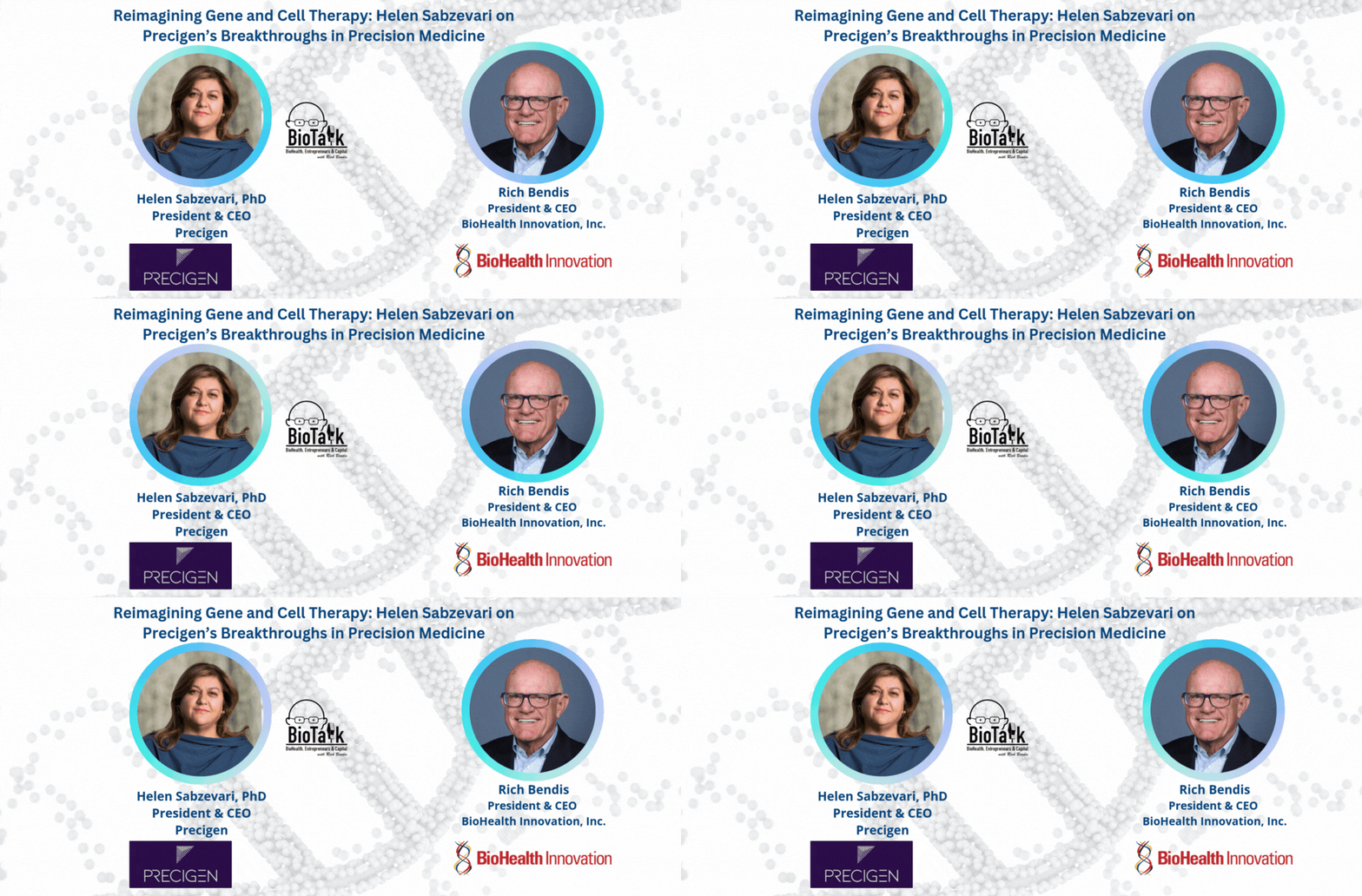
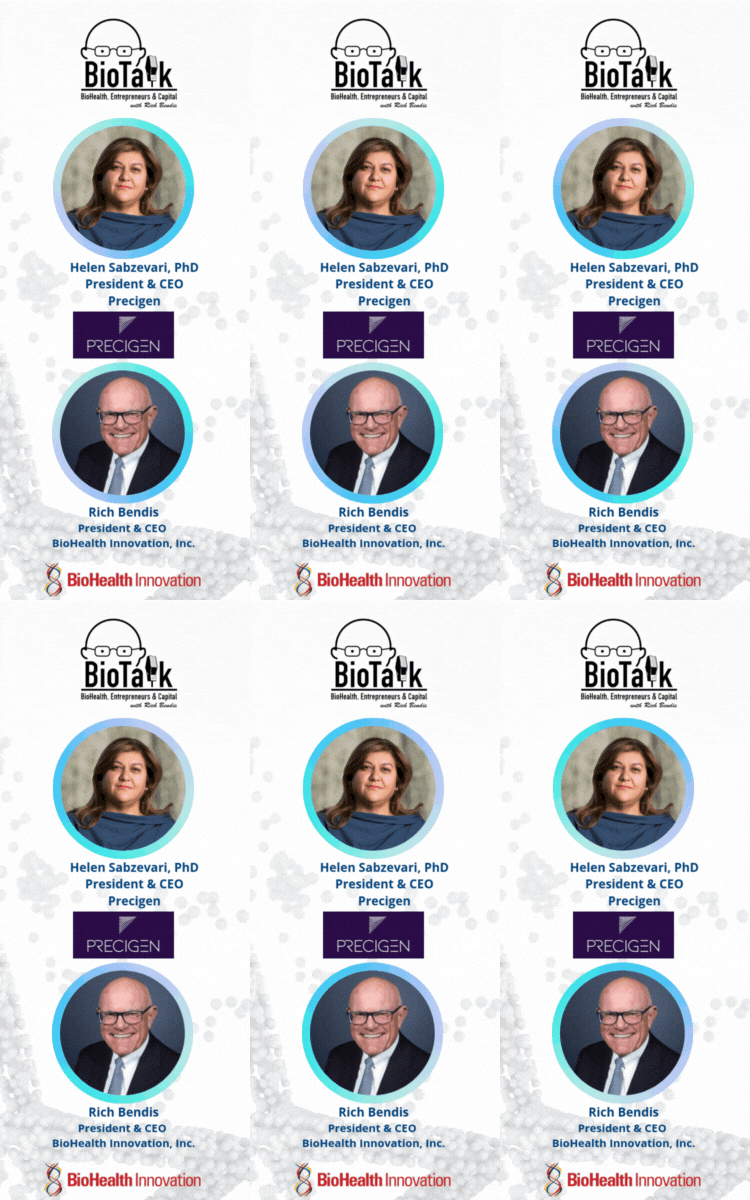 In this episode of BioTalk, Rich Bendis welcomes Dr. Helen Sabzevari, President and CEO of Precigen, to discuss the company’s cutting-edge science in gene and cell therapy. Dr. Sabzevari shares how Precigen’s unique AdenoVerse® platform has powered the development of PRGN-2012, a potential first-in-class therapeutic currently under FDA priority review for the treatment of adults with recurrent respiratory papillomatosis (RRP), a rare and devastating disease. She also highlights advances across Precigen’s broader pipeline in immuno-oncology and autoimmune disease and reflects on how Maryland’s BioHealth Capital Region has supported the company’s innovation and growth.